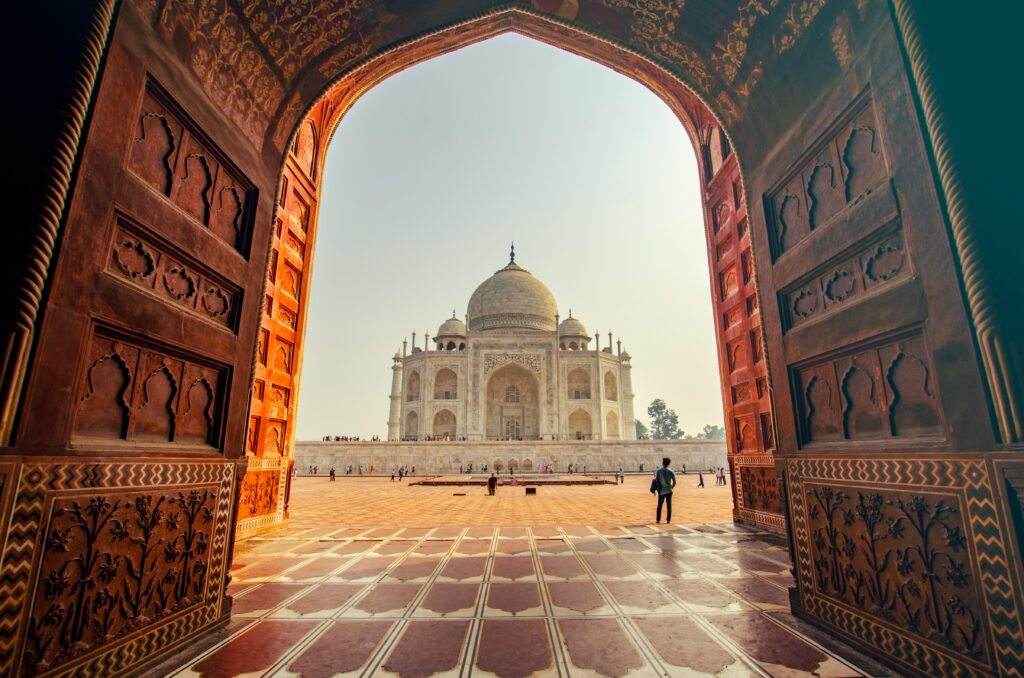
The Golden Triangle itinerary is the undisputed “Introduction to India.” It is the classic route that connects the country’s capital, Delhi, with the city of the Taj Mahal, Agra, and the royal Pink City, Jaipur. On a map, these three cities form a roughly equilateral triangle, but on the ground, they form a kaleidoscope of history, chaos, color, and architectural brilliance.
For many travelers, this circuit is their first taste of India. Consequently, it can be overwhelming. The difference between a “memorable trip” and a “stressful ordeal” often lies in the planning. This is not just a list of monuments; it is a strategic Delhi Agra Jaipur tour guide designed to minimize fatigue and maximize wonder.
Whether you are a history buff, a photographer, or a family looking for a 5-day Golden Triangle trip, this guide covers the best routes, hidden gems, food stops, and honest advice on dodging tourist traps.
Why This 5-Day Itinerary Works
Many tour operators try to squeeze the Golden Triangle into 3 or 4 days. While possible, that pace is grueling. You end up spending more time in a car than experiencing the culture.
Our 5-day Golden Triangle travel guide is optimized for:
- Pacing: It allows for travel time without eating into your sightseeing.
- Timing: It positions you at key monuments (like the Taj Mahal and Amber Fort) during the best light (sunrise/morning) to avoid the worst crowds.
- Route: It leverages the best highways (Yamuna Expressway) and newest train connections (Vande Bharat/Gatimaan Express).
The Route at a Glance
- Day 1: Delhi Arrival & Sightseeing (The Capital’s Contrast)
- Day 2: Delhi Morning Tour → Drive to Agra (The Expressway Run)
- Day 3: Taj Mahal Sunrise → Fatehpur Sikri → Drive to Jaipur (The Long Haul)
- Day 4: Jaipur Sightseeing (Royalty & Forts)
- Day 5: Jaipur Leisure → Return to Delhi (Shopping & Departure)
Day 1: Delhi – The Capital’s Contrast
Theme: Mughals, British Raj, and Chaos
Delhi is not one city; it is several cities layered on top of each other. Your first day is about understanding this duality: the chaotic, historic Old Delhi and the structured, colonial New Delhi.
Morning: Old Delhi’s Pulse
Start your day early (around 9:00 AM) to beat the midday heat.
- Jama Masjid: Begin at India’s largest mosque. The courtyard can hold 25,000 people. Pro Tip: Climb the southern minaret for a stunning bird’s-eye view of Old Delhi’s density.
- Rickshaw Ride in Chandni Chowk: This is non-negotiable. Hop into a cycle rickshaw and ask the driver to take you through the narrow lanes of Kinari Bazaar (wedding market) and Khari Baoli (Asia’s largest spice market). The sensory overload of smells, sounds, and colors here is the quintessential “India moment.”
- Red Fort (Lal Qila): While you can enter, if you are short on time, a view from the outside is often sufficient, especially since you will be seeing the more impressive Agra Fort later.
Lunch: The Legend of Butter Chicken
Head to Connaught Place (CP) or Pandara Road.
- Recommendation: Try Gulati or Have More on Pandara Road for authentic Butter Chicken and Dal Makhani. If you want history, Karim’s in Old Delhi is legendary for its kebabs, though it is more rustic.
Afternoon: Lutyens’ Delhi
Contrast the morning’s chaos with the wide, tree-lined avenues of New Delhi.
- India Gate & Kartavya Path: Drive past the war memorial and the President’s House (Rashtrapati Bhavan). It’s a power corridor that rivals Washington D.C. in grandeur.
- Humayun’s Tomb: This is the first garden-tomb on the Indian subcontinent and the architectural precursor to the Taj Mahal. The symmetry and red sandstone here are breathtaking at golden hour (4:00 PM – 5:00 PM).
- Qutub Minar: End your day at this 73-meter tall brick minaret. The complex is beautifully illuminated after sunset.
Day 2: Delhi to Agra
Theme: The Road to Love
- Distance: 230 km
- Travel Time: 3.5 – 4 hours (via Yamuna Expressway)
Morning: Lotus Temple & Departure
Before leaving Delhi, make a quick stop at the Lotus Temple. It is a Baháʼí House of Worship shaped like a giant white flower. It is incredibly silent inside—a perfect way to center yourself before the road trip.
Depart for Agra by 11:00 AM. You will take the Yamuna Expressway, one of India’s best roads.
- Pit Stop: The expressway has decent food courts. “Shiva Dhaba” or the official rest stops offer clean restrooms and chai.
Afternoon: Agra Fort & Mehtab Bagh
Arrive in Agra, check into your hotel, and freshen up.
- Agra Fort: Unlike the Red Fort in Delhi, this is a better-preserved fortress where you can visit the specific room (Musamman Burj) where Emperor Shah Jahan was imprisoned by his son, spending his final years gazing at the Taj Mahal.
- Mehtab Bagh (Moonlight Garden): Do not go to the Taj Mahal today. Instead, go to this garden across the river at sunset. You will get a stunning, crowd-free view of the Taj Mahal from the back, reflecting in the Yamuna River. It is the best spot for photographers.
Dinner: Mughlai Feast
Agra is the home of Mughlai cuisine.
- Recommendation: Peshawri at the ITC Mughal is world-famous (and expensive) for its Dal Bukhara. For a mid-range option, Pinch of Spice offers excellent curries.
Day 3: Agra to Jaipur
Theme: The Ghost City and The Stepwell
- Distance: 240 km
- Travel Time: 5 – 6 hours (including stops)
Early Morning: The Taj Mahal
Set your alarm for 5:00 AM. You want to be at the East Gate ticket counter 30 minutes before sunrise.
- The Experience: Watching the sun rise over the white marble dome is spiritual. The marble changes color from soft grey to pink to blinding white.
- Pro Tip: Tourist tickets (high value) get you a separate line and shoe covers. Don’t bring big bags, tripods, or food; security is strict.
Return to the hotel for breakfast and check out.
The Drive: Stops You Can’t Miss
The drive from Agra to Jaipur is dotted with history. Do not drive straight through!
- Fatehpur Sikri (40km from Agra): This “Ghost City” was the capital of the Mughal Empire for only 10 years before being abandoned due to water scarcity. The red sandstone palaces and the massive Buland Darwaza (Gate of Victory) are incredibly preserved.
- Chand Baori at Abhaneri (95km from Jaipur): This is one of India’s deepest and largest stepwells. It has 3,500 narrow steps arranged in perfect symmetry leading down to the water. It is an architectural marvel that often gets missed by hurried tourists.
Arrive in Jaipur by evening. The city is known as the “Pink City” because the King painted the whole city pink (the color of hospitality) to welcome the Prince of Wales in 1876.
Day 4: Jaipur – The Pink City
Theme: Rajput Valor and Astronomy
Jaipur is vibrant, loud, and royal.
Morning: The Hilltop Fortress
- Amber Fort (Amer Fort): Located 11km from Jaipur, this hilltop fort is massive.
- Getting up: You can walk, take a jeep, or take an elephant ride. (Note: Many ethical travelers now avoid the elephant rides due to animal welfare concerns; the jeep is a faster and kinder alternative).
- Highlights: The Sheesh Mahal (Mirror Palace) is the jewel. A single candle reflection can illuminate the entire room of tiny mirrors.
- Panna Meena ka Kund: Near the fort is another beautiful, yellow-hued stepwell. It’s less crowded than Abhaneri and great for Instagram photos.
Afternoon: The City Center
- Jal Mahal: Stop for a photo of the Water Palace on your way back to the city. You cannot enter it, but it floats beautifully in the middle of Man Sagar Lake.
- City Palace: The current royal family still lives here. You can tour the museums displaying royal costumes and armory. The four gates in the inner courtyard (Pritam Niwas Chowk) representing the four seasons are stunning.
- Jantar Mantar: Right next to the palace is this UNESCO World Heritage site. It looks like a collection of weird modern art sculptures, but it is actually an 18th-century astronomical observatory. The giant sundial is accurate to within 2 seconds!
- Hawa Mahal (Palace of Winds): You’ve seen the photos of this honeycomb pink facade. It was built for royal ladies to watch street festivals without being seen.
- Photo Tip: The best view isn’t from the street, but from the “Wind View Cafe” across the road. Go there for a coffee and the perfect shot.
Evening: Shopping & Culture
Jaipur is a shopper’s paradise.
- Johari Bazaar: For jewelry (gold and precious stones).
- Bapu Bazaar: For textiles, block-print bedsheets, and Mojari (camel leather shoes).
- Dining: Try Laxmi Mishthan Bhandar (LMB) for a traditional Rajasthani Thali (a platter with many dishes). Don’t miss the Ghewar (a disc-shaped sweet).
Day 5: Jaipur to Delhi
Theme: Leisure and Farewell
- Distance: 280 km
- Travel Time: 5 hours (Road) / 4 hours (Train)
Morning: A Slow Start
Enjoy a leisurely breakfast. If you have time before your departure:
- Albert Hall Museum: A beautiful Indo-Saracenic building with a great collection of artifacts.
- Patrika Gate: A newer addition, this is arguably the most colorful and symmetrical spot in Jaipur, perfect for a final photo op.
The Return Journey
Drive back to Delhi. If your flight is late at night, you can drive directly to Indira Gandhi International Airport (DEL), which is on the Jaipur side of Delhi, saving you from entering city traffic.
Alternatively, take the Vande Bharat Express or the Ajmer Shatabdi train from Jaipur to Delhi for a comfortable end to the trip.
How to Travel: Transport Options
1. Private Car (Highly Recommended)
Hiring a car with a driver for all 5 days is the most stress-free option.
- Pros: Door-to-door service, stop whenever you want for photos/toilets, safe for luggage.
- Cost: Approx ₹15,000 – ₹22,000 ($180 – $260) for a sedan for 5 days.
- Tip: Ensure the cost includes fuel, toll taxes, state taxes, and driver allowance.
2. Train
India’s rail network is excellent between these cities.
- Delhi to Agra: Take the Gatimaan Express (100 mins). It’s India’s semi-high-speed train.
- Agra to Jaipur: Take the Agra Fort Ajmer Intercity or drive (recommended for sightseeing en route).
- Jaipur to Delhi: Take the Vande Bharat Express (fastest and most modern).
Where to Stay: Accommodation Guide
The Golden Triangle caters to every budget, from $10 hostels to $1000 palaces.
Delhi
- Luxury: The Imperial, The Oberoi New Delhi.
- Mid-Range: Bloomrooms (multiple locations), The Prime Balaji.
- Budget: Zostel Delhi, backpacker hostels in Paharganj.
Agra
- Luxury: Oberoi Amarvilas (every room has a Taj view).
- Mid-Range: Taj Hotel & Convention Centre, Crystal Sarovar Premiere.
- Budget: Joey’s Hostel (rooftop view of Taj).
Jaipur
- Luxury: Rambagh Palace, Jai Mahal Palace.
- Heritage (Mid-Range): Samode Haveli, Alsisar Haveli. (Stay in a Haveli for the authentic feel!).
- Budget: Moustache Hostel.
Foodie Guide: What to Eat
Do not just eat at your hotel. The Golden Triangle is a culinary journey.
- Delhi:
- Chole Bhature: Spicy chickpeas with fried bread.
- Paranthas: Stuffed flatbreads in Paranthe Wali Gali.
- Momos: Tibetan dumplings popular in Delhi markets.
- Agra:
- Petha: A soft, translucent candy made from ash gourd. Get it from “Panchi Petha.”
- Bedai & Jalebi: The standard Agra breakfast of fried puffy bread and sweet spirals.
- Jaipur:
- Dal Baati Churma: Hard wheat rolls (Baati) eaten with lentils (Dal) and sweetened crushed wheat (Churma).
- Laal Maas: A fiery mutton curry prepared with Mathania red chillies.
- Pyaz Kachori: Deep-fried onion pastries. Best at Rawat Mishthan Bhandar.
Important Safety & Scam Awareness
The Golden Triangle is safe, but it is also the capital of tourist scams. Here is how to stay smart:
- The “Closed” Scam: A driver might tell you your hotel/monument is “closed” or “burned down” due to a strike or holiday. It is a lie. They want to take you to a place that pays them commission. insist on going to your destination.
- The Emporium Trap: Guides will often beg you to visit a “demonstration” for marble or jewelry. These are high-pressure sales shops. You are under no obligation to buy. A firm “No” works.
- Fake Government Shops: Many shops claim to be “Government Approved.” Most are not. Look for the actual government emporiums (like Rajasthali in Jaipur) if you want fixed prices.
- Guides: Only hire guides with an official Ministry of Tourism ID card. They wear them around their necks.
Essential Travel Tips
- Best Time to Visit: October to March is ideal. The weather is pleasant (10°C – 25°C). Avoid May-June (scorching heat up to 45°C) and July-August (monsoon rains).
- Clothing: Dress modestly, especially at religious sites. Shoulders and knees should be covered. Carry a scarf.
- Water: Never drink tap water. Stick to bottled water (check the seal) or use a filter bottle.
- Currency: Carry small cash (₹10, ₹20, ₹50 notes) for tips and rickshaws. UPI (digital payment) is everywhere, but setting it up as a foreigner can be tricky (look for “Cheq UPI” or similar tourist apps).
- Connectivity: Get a SIM card at Delhi Airport (Airtel or Jio) upon arrival. It is much harder to get one outside the airport.
Estimated Budget (Per Person for 5 Days)
- Backpacker: ₹15,000 ($180) – Hostels, trains, street food.
- Mid-Range: ₹40,000 ($480) – 3/4-star hotels, private car, nice dinners.
- Luxury: ₹1,00,000+ ($1200+) – 5-star hotels, luxury SUV, fine dining.
Final Thoughts
The Golden Triangle is intense. It will assault your senses in the best and worst ways. You will see extreme poverty and unimaginable wealth side by side. You will deal with traffic noise and serene sunsets.
But if you follow this 5-day Golden Triangle itinerary, you will move through the chaos with a plan. You won’t just see the monuments; you will experience the stories behind them.
Ready to book your trip? Start by booking your flights to Delhi and securing your Taj Mahal tickets online to skip the queues. India awaits!